Legends of Lyme (Part 1) – Sarah Acton
There are lots of ghost stories and legends of Lyme and some of wider Dorset that travel between towns on the roads, highways and by sea. I bet you may know some? From my research over recent weeks, some famous legends arise from real historical events that took place on the shoreline here, even if there is an element of the paranormal; the landing of the Duke of Monmouth in 1685 as a usurper to King James II and the bloody gallows is a good example.
The Duke’s uprising failed, the personal cost to the Protestant rebellion was devastating, and hundreds of men were transported, some hung on the beach (I will spare you the gory details of the how the drawn and quartered bodies were pitched in tar to preserve them by way of example)…but the attempt was ‘valiant’ (substitute whatever word you think fits, some think impossible). The argument was religious, but perhaps today we simply recognise the Rebels as men with fire in their bellies to fight to worship and live freely? There must be quite a number of ghosts lingering on the beach following the events that followed the landing.
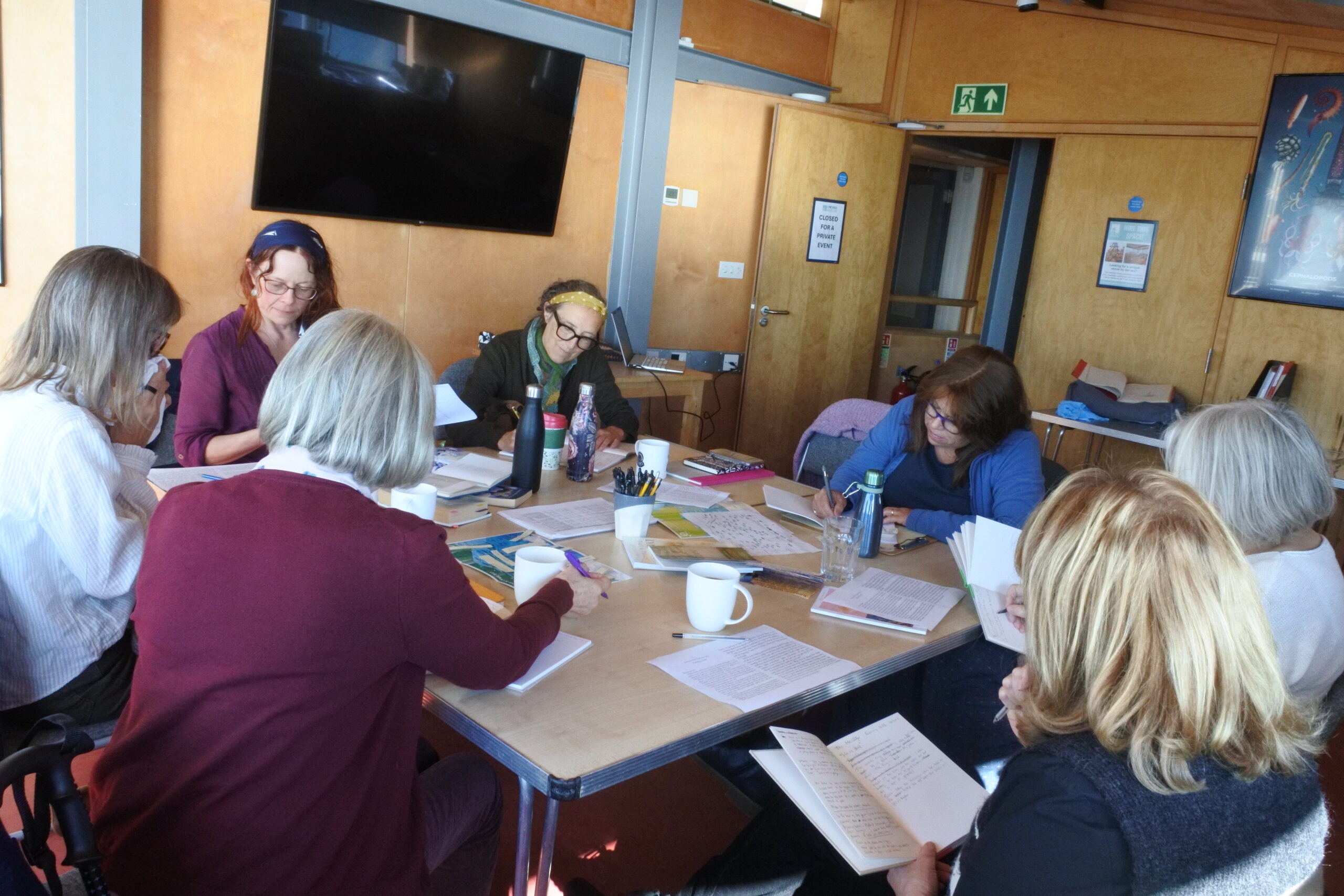
I led a workshop on Saturday 17th October where we explored ideas around creating, writing and retelling legends relating to the local sea and coast. Lyme’s relationship to the sea has determined its fortunes since the earliest settlements, and we talked about how these legends might be symbols and represent themes that endure and have relevance to us in the connections we make from our own stories and lives.
In these first few weeks of the project I have been looking for ghosts on the Cobb which is a place and a symbol of power and trade in the town, but its function and form are as crafted as any traditional vessel, and The Cobb itself has become legendary through literary connections that layer over the historical, people pilgrimage here every year to walk in the footsteps of Meryl Streep in the film adaptation of local author, historian, and one time curator of the museum, John Fowles,’ famous novel, The French Lieutenant’s Woman. I have no idea where the research will take me but it is time to start writing my own ghost stories and see what happens.
Once you create a legend from the past, it is alive, talks through generations. We had lots of fun at the workshop and inspired each other looking at things from different perspectives, sharing ideas and engaging with objects and stories in the Maritime Gallery and archives which resulted in writing on the page. I look forward to diving in again for part 2 in February.
Sarah Acton – Writer
To the Sea begins in September 2026. All workshops are open to members of the public – information about the residency programme and booking information is available at www.lymeregismuseum.co.uk/whats-on/tothesea. The Maritime Gallery and residency desk are free to visit with museum admission.